Showing posts with label Uday Bhembre. Show all posts

Wednesday, December 9, 2015

‘MINORITY-APPEASEMENT’ OR ‘MAJORITY CASTEISM’?

November 2015 would be an unfortunate month for Goa. Not simply because Fr. Bismarque Dias, a fire-brand activist, was found dead under mysterious circumstances, but also because the Goan government  behaved in an atrocious manner in handling the investigation as well as the law and order situation following the peaceful protest on 21 November, 2015. At a time of outpouring of grief and emotion from the people of Goa, and at a time when politics in Goa is in dire need of ‘Kindness’ (to borrow Fr. Bismarque’s word upon which rests his 2012 election manifesto) one would be quite surprised – or rather, shocked – to see vicious anti-minority statements made in public by members of the Bharatiya Bhasha Suraksha Manch (BBSM). With the government increasingly growing unpopular in the eyes of the Goan people, it seems quite certain that members of the RSS-backed BBSM are making hay while the sun shines.

Simply put, the BBSM’s agenda is to block the grants-in-aid to English as a Medium of Instruction (MoI) in primary schools in Goa. In trying to safeguard ‘Indian culture’ (whatever that means), members of the BBSM think that it is the Christians in Goa who are responsible for the demand for English made by parents across the caste and religious divide. It has been quite clear for some time now that the BBSM is an openly rightwing group. Its hostility to minoritized groups is very evident. In the recently-held BBSM press conference, Arvind Bhatikar said to the ruling BJP party in Goa, “Your voter is Hindu. You are in power because of Hindus. Remember this and stop appeasing the minorities”.

This issue I think cannot be framed as one of increasing communalization, as one can see that the BBSM is always clever enough to keep token figures from the Hindu bahujan samaj and the Catholic community in their press conferences and photo-ops. Neither can the vicious hostility to Goa’s minoritized groups can be understood as an issue of increasing “intolerance”. If this was the case, persons like Naguesh Karmali and Pundalik Naik (staunch members of the BBSM and Nagri Konkani litterateurs) would not have aligned with the RSS-backed BBSM, while at the same time protesting the Sahitya Akademi’s silence on the recent murders of writers and rationalists.

So the question is, how do we then, understand the comments that are made by Arvind Bhatikar and the members of the BBSM? The most important way is to see how Brahmanism operates in maintaining its own power. It is no secret that both the RSS and the Nagri Konkani camp (from which most of the Konkani “stalwarts” are drawn) are tightly controlled by brahmins. The Nagri Konkani project itself is the project of the Saraswat caste hegemony. In this context, it would profit us quite a lot if we invoke the comments of Dr. B. R. Ambedkar who observed, “Is it reasonable to expect the secular Brahmins to take part in a movement directed against the priestly Brahmins? In my judgment, it is useless to make a distinction between the secular Brahmins and priestly Brahmins. Both are kith and kin. They are two arms of the same body, and one is bound to fight for the existence of the other”. Clearly, the rightwing brahmins in the RSS and the secular brahmins (who, like Uday Bhembre and Arvind Bhatikar, have so far been projected as ostensibly ‘secular’ and ‘progressive’) have come together under the umbrella of BBSM – and one can only presume that the reason to do so is to maintain each others’ existence.

I am not the first one to see similarities between the methods employed by right-wing Hindu groups and those that are employed by cultural purists like the BBSM – a major chunk of whose leadership consists of the “stalwarts” of the Nagri Konkani camp. Kaustubh Naik argues that in Goa the Nagri Konkani camp functions as a “local culture police” much like Hindu right-wing groups. This local culture police want to “impose a singular identity by carefully erasing all cultural differences to ensure the hegemony of a dominant social group”, i.e. the “Hindu Saraswats” according to Naik (The Goan Everyday, dt: 29 September, 2015).

Where is the minority-appeasement in such a scenario? If repeated struggles by the Goan people, for greater equality in political life and for a greater recognition of their individual and community rights, are diligently scuttled by dominant caste groups (with of course tokens from the Christian community and the Hindu bahujan samaj), then, once again, where is the appeasement? In the context of ‘minority-appeasement’ one cannot help but draw parallels in the manner in which Christians in Goa are made into a scapegoat like Muslims in many parts of India. By making Christians of Goa a scapegoat for a demand that clearly is not confined to them alone, a bid for maintaining caste hegemony is cleverly disguised as a concern for Indian culture – and, most importantly, Indian languages.


As serious as the nature of the comments made by BBSM’s Arvind Bhatikar is, they are also very routine and banal. One must not be fooled into believing that such comments are an exception to the rule, or an aberration. For all parents who are concerned about the future of their children, the need of the hour is not simply to ensure full recognition for the grants to be given to English as MoI, but also to challenge a vicious ideology that would deny people the right to choose.


And all said and done, even if we call this ‘minority-appeasement’, it is only going to do Goa a lot of good.

(First published in O Heraldo, dt: 9 December, 2015) 

Friday, October 23, 2015

THE HYPOCRISY OF GOA’S PROTESTING AWARDEES


By JASON KEITH FERNANDES, DALE LUIS MENEZES, AMITA KANEKAR, VISHVESH KANDOLKAR, and KAUSTUBH NAIK

In the context of a number of Sahitya Akademi awardees across India returning their respective awards in protest against the growing intolerance in India, in Goa around fourteen Sahitya Akademi awardees together with Padmashri awardees Maria Aurora Couto and Amitav Ghosh came together and issued a joint statement on 15 October, 2015. One would be struck by the hypocrisy contained in their press note released were it not for the fact that their politics of intolerance is so blatantly displayed all over the same note.

In their statement these local notables condemn “the rising trend of intolerance in the country which threatens freedom of expression…[and] the age-old liberal and all-encompassing philosophical traditions of this country.” One would take this concern seriously were it not for the fact many of these notables have been complicit not only in acts of intolerance themselves, but also physical violence.

For some years now there have been demands from many quarters that Konkani literature written in the Roman script also be given governmental recognition. But Sahitya Akademi awardees like Pundalik Naik and N. Shivdas, who have presided over the Goa Konkani Academy, have not felt it necessary to take up this cause and ensure that a Konkani tradition with a longer history than that in the Nagari script one is recognised. On the contrary, all of these protesting SahityaAkademi awardees and Padmashri Couto have watched silently while Roman-scriptKonkani has been officially ignored and excluded from all kind of state recognition, including awards and grants.

In addition, these persons have maintained a studious silence while their associates, such as Uday Bhembre and Nagesh Karmali, have engaged in the most vicious hate speech against the Catholic community in the course of the Medium of Instruction controversy (that has raged from 2011), when Goan parents demanded the right to determine the manner in which their children are educated. Where was their concern for the alleged liberal traditions, and traditional bonhomie, of Goa then?

To make matters worse, these same notables watched silently when in 2005 Naguesh Karmali, a member of this verygroup of protestors, led a violent mob in destroying public and private property on the grounds that such property was encouraging Portuguese (read as Catholic) culture in Goa.Given that Goa has had a long and historical relationship with Portugal, doesn’t the violent smashing of manifestations of this relationship amount to an act of the very same rabid communalism that these worthies profess to protest against?

In light of these inconsistencies, and the equally amusing announcement that they will hold on to their awards until the meeting of the executive committee of the Sahitya Akademi, it appears that these awardees seem more interested on jumping onto the bandwagon of political trendiness, than for any desire to stand against the growing intolerance in the country, and indeed, Goa itself.

We would like to stress that while it is true that the government of Mr. Modi has definitely presided over a rise in intolerance in the country, the roots of this intolerance lie deeper in the country’s history. As we have already pointed out, a number, if not all, of these Goan awardees are complicit in this intolerance. Their complicity is further evident in the manner in which they phrase their protest within the language of Hindutva. Why, for example, are the recent acts compared to ‘talibanism’, instead of calling them Hindutva, or Hindu nationalism? Talibanism is a phenomenon situated outside the country, when Hindutva is the problem actually at hand, given that Kalbargi, Pansare and Dabholkar lost their lives as a result of their opposition to this ideology. Indeed, Hindu nationalism has been a problem since before Indian independence. In referencing the Taliban, these awardees continue the refusal to recognize Hindu nationalism as the single greatest cause of concern in this country since 1947.

In conclusion, we would be more convinced of the genuine concerns of these state awardees from Goa if we heard them also protest the exclusion of Konkani in the Roman script from legislative recognition, also the violent condemnation of the Goans who are simply asking for English as a state-supported medium of instruction for their children, and also the lack of implementation of constitutional guarantees for education and jobs to historically discriminated-against Goan communities. Such protests would go further in establishing norms for the respect of fundamental rights, and the establishment of law and order in our state and country.

(First published in DNAIndia (Web) on 23 October, 2015)

Friday, July 3, 2015

‘OPINION POLL’ ANI GÕYCHE KRISTANV


Halinchea tempar ‘Father of the Opinion Poll’ hea Dotor Jack de Sequeira hankam dilolea ‘title’-acho kaim zonnamni khor nixedh kela. Ho nixedh thoddeach activists-ancho zaun asa. Hantuntlo mukhel veokti mhollear Uday Bhembre, zo fattle kaim mhoine khobram-potramni ani TV-cher aplo nixedh sobhemazar kollit korta. Hea oslea mota fattlean rajkaronn khoinchem ani koslem, hem somzun ghevpacho proyotn hanv korunk sodtam.

Bhembre-chea mota pormannem Dr. Sequeira ho ekloch ‘Opinion Poll’-acho fuddari naslo, punn tache barobor anik-ui zaite zonn asle. Oxem aslolean, Bhembre mhonntta, Dr. Sequeira-k ‘Opinion Poll’-acho Bapui mhonnop chukichem zaun asa. Tachea hea oslea motank zaitem ‘media attention’ mell’llem ani Bhembre-chea motancho virodh-ui zaitea zonnamni kelo. Bhembre-chem mot somzun gheunk ani tachi foddnnixi korunk ami tachea eka ‘interview’-acho ul’lekh korunk zai. Ho ‘interview’ O Herald disalleacher (polle Herald Review, 10 May, 2015) uzvaddak ailolo. Hie mulakhotint Bhembre-chim motam Radharao Gracias hanchea motam vangdda sador kelolim asat ani zaitem jem Bhembre mhonntta tem Radharao Gracias-achim motam vachtoch fals vo chukichim oxem disun yeta.

Bhembre-chea mota pormannem, itihas ho konnench bodlunk zainam, karonn to asa tosoch asta (“History is history, whether one likes it or not”). Hench dhoronn gheun to kaim lok ‘Opinion Poll’-acho itihas kiteak sarkho nokllo tem sangunk sodta. Khorem mhollear hem oslem dhoronn aiz sonvsarachea itihaskaramni soddun dilolem asa. Bhembre-chem hem dhoronn ‘positivist method and philosophy’ hacher adharun asa, oxem disun yeta. Hea ‘positivist method and philosophy’ khala oxem manun ghetat ki itihasantle ‘facts’ he apo-ap ulounk xoktat; tankam itihaskarachi vhoddli xi goroz nasta. Itihaskaramni he ‘facts’ fokot eka fatlean ek oxem korun manddunkuch zai, itlench. Punn oslem dhoronn aiz fottichem tharta, oxem zannkaramni dakhoun dilam. Tor Bhembre oslea dhoronnacho adhar gheun aplim motam kiteak manddtta? Amchea mota pormannem oxem kelolean Bhembre aple zaite ‘agendas’ fuddem vhoronk sodta. Tor te khoinche tem atam polleum-ia.

Bhembrecho poilo ‘agenda’ mhollear to apunnuch ‘Opinion Poll’-achea itihasacher ulounk xrextt oxem somzota. Hem to don toramni korta: Poilie suvater to soglea Kristanv lokank – chodd korun bahujan Kristanvank – je Dr. Sequeira-chea fattlean kal ani aizui ubhe asat tankam, to unnak lekhta ki tankam ‘Opinion Poll’-achea itihasachi sarki mahiti nam mhonnun. Oxem kortanam Bhembre zotnay gheta ani thoim Kristanv somazacho ul’lekh kori nam. Punn konnacher ani khoinchea somazacher to ttika korta  tem amkam sangonastanam kollun yeta.

Dusrie suvater, Bhembre amkam sangta ki apunn ek sakxidar vo ‘first-hand witness’ mhonnun ‘Opinyon Poll’-achea tempavelo. To mhonntta apnnem fokot ‘Opinion Poll’-acher prokaxit zalolem sahityuch nhoi punn te vixim aslolo itihas onnbhovlolo asa mhunn. Haka lagun to mhonntta ki taka hea ‘Opinion Poll’-achea itihasachi chodd bori zannvay asa mhunn. Dusre zonn je aiz Dr. Sequeira-cho zoi-zoikar kortat, te  Bhembre-chea mota pormannem, tea tempar chodd dhaktte asle vo zolmant legun yeunk nasle; haka lagun tankam ‘Opinion Poll’-achea itihasachi zannvay nam. Bhembre-chem hem dhoronn vichitr mhonnunk zai, karonn tachem dhoronn tor ami svikarlem zalear itihasachi likhnni ani xastr kabar zatolem, hantunt il’lo-i dubhav nam!

Bhembre-chem dhoronn vichitr ani fokannachem tharta karonn zaitea vorsam savn choltolea itihaskaram modem ani her somajik zannkaram modem jio ‘debates’ zaliat tancher hem dhoronn add veta. Dekhik ami E. H. Carr hachem What is History? hea pustokacho ul’lekh kelear puro zata. Hea pustokant Carr mhonntta ki ‘facts’ he aplea pãyar ubhe ravun svota ulounk xokonant; tankam ‘interpretation’  vo somzonni ani foddnnixi zai poddtta. Hakach lagun itihaskarachi goroz poddtta. Zalear hatunt itihaskar aple ‘biases’ bhitor haddunk xokta – ani zaite pavttim haddtai bi. Dekhun eka itihaskaran ‘facts’ topasunk zai ani te topasun ‘cross-check’-ui korunk zai. Ami oxem chintunk zainam ki zannim itihas khud onnbhovla tankam itihasachi bori vo sarki zannvay astoli mhunn. Oslea mon’xam lagim ghoddye kosli tori mahiti asot, punn tich  mahiti sarki vo  khori oxem ami manunk zainam. Oxem aslolean ami zonn eklean kholayen chinton korop gorjechem. Zonn eklean ap-apli bhumika zannun gheun proyotn korunk zai: itihasacho bhagidar (participant) toxench itihasacho sod ghevpi vo somzonni divpi (interpreter).
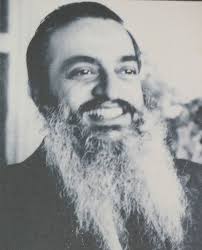
Bhembre-chim motam ani mud’de hankam kainch mol nam hachi govay amkam Radharao Gracias hanchea motantlean melltta. Gracias ek suchovnni korta ani ti mhollear Gõychea Kristanv lokanchem zalolem ‘marginalization’ ami hea ‘Opinion Poll’-achea itihasant somzun gheunk zai mhunn. Rajki mollar hem ‘marginalization’ chodd marekar zaun asa, oxem Gracias amkam sangta. Hakach lagun Gracias Romi-Nagricho mud’do hea ‘Opinion Poll’-achea mud’deak zoddtta ani sangta ki Romi lipik bhair dovorop hich ek vhoddantli-vhodd govay Gõychea Kristanv lokanchea ‘marginalization’-achi zaun asa mhunn. Gracias fuddem mhonntta ki je monis aiz Dr. Sequeira-k ho man dila tacher nixedh martat tech lok kal ani aizui Romi lipik bhair dovorunk vavurtat mhunn. Amkam hacher oxem disun yeta ki Gracias-a sarko monis Gõychea Kristanv lokanchea ‘marginalization’-acher amchem lokx thir korta, zalear Bhembre sarko monis – tache ‘historical facts’ ani apunn ‘first-hand witness’ oxem sangun – heach ‘marginalization’-acho onnbhov zo Gõychea Kristanvamni onnbhovla to nakarta vo nhoikarta. Heach ‘marginalization’-acho onnbhov zor ami monant dovorlo zalear ‘Opinion Poll’-acho itihas zanna zaun ghetanam ho itihas koxe bhoxen bodoltolo?

Gracias-achem jem mot ami voir vachlam tacher anikui kitem sangchem asa.

Romi lipi ani Nagri lipicho vad gheun amcheamni Bhembre sarkea kar’yakorteamni Romi lipik koxi koddek dovorli hem polleunk zata. Zori tor hanv Bhembre-chem kar’ya ani motam hanga somzun gheunk sodtam, torui amkam oxem mhonnunk zai ki oslim motam apnnavpi Bhembre ho ekloch nhoi. Gõyant him motam sabar her dusre lok manun ghetat ani osle lok chodd korun unch zuttiyechim podam aplea tabeant gheun bosleat.

Tor Nagrivadiancho Romi lipik mukhel nixedh  khoincho? To mhollear Romi lipi Purtugez vosnnukponnantlean Gõyant aili, dekhun ti bhaili ani oddechi lipi zaun asa. Haka lagun Romi lipi Gõychi ani Konknnichi nizachi lipi nhoi, oxem Nagrivadiank dista. Romi lipiche add anikui zaitim dhoronnam Nagrivadi mukhar ghaltat – ki Romi lipichea sahityak dorzo nam; ki Nagri lipi chodd bori Konknni bhaxek karonn ti Bharoti lipi; ki Romi lipichi magnni mhollear ‘anti-national’ tharta karonn tantuntlean Gõykaranchem des-bhoxtteponn zata.

Fattlea sabar doxokamni zo tamaxa zala, tantunt ek khobor titli zoran konnuch korinaslo. Ani ti mhollear, jednam Romi lipichi hinnsavnni zata – tie hinnsavnnient Gõychea Kristanv lokanchem-i hinnsavop zata. Oslem hinnsavop choddxem Gõychea bahujan Kristanv lokanchem zata. Hem bahujan Kristanvank chodd lagta karonn zo unch-zaticho Kristanv asa to aplea unch-zatichea zolmak lagon hea oslea ‘attacks’-am pasun pois ravunk vo vochunk xokta. Dekhun amcheamni mhonnunk zata ki Romi lipik man’yatay nam divop mhonnche akkhea Gõychea Kristanv lokanchea sonvskrutayek man’yatay nam divop mhonnun.

Halinchea tempar, Bhembre sarko kar’yakorto hie Romi lipik pois dovorpachea prokoronnant mukhel fuddari asa oxem amcheamni mhonnunk zata. Bhembre-n 2006 vorsa ek chitt sogllea Gõychea ‘Cabinet’ montriank boroiloli tacho ul’lekh korunk zai. Hie chittintlean (Goanet thollacher ti sambhallun asa ani vachunk mellta) amkam disun yeta ki 2006 vorsa tednancho sorkar Official Language Act, 1987 hea Bill-ant bodol haddunk sodtalo mhunn. Bhembre tea kallar Congress pokxacho ‘think-tank’ Vichear Vibhag – hacho Chairman aslolo, ani he vorvim tannem Official Language Act, 1987 hea Bill-ant kosloch bodol zaunk zainam vo korop sarkhem nhoi oxem soglea tednanchea Gõychea montriank potr boroun sanglolem.

Toxench, ek voros poilim – mhollear 2005 vorsa – Bhembre-k Xavier Centre for Historical Research he sonsthen ulovop korunk apoilolo. Tannem ‘Road Map for the Standardisation and Development of the Konkani Language’ he mathallea khal aplem ulovop kel’lem. Bhembrechem mukhel dhoronn hea ulovpant aslem tem mhollear Konknni lokamni Nagri lipi khal ektthaim vo ekvottit zavpachem. Dusrie bhaxen sangchem zalear je konn Romi, Kon’nodd, Malayalam ani Perso-Arbi lipint aplem borovop kortat ani apli khaxeli sonskrutay sambhallun dovortat tannim tem sogllem soddun diun atam fokot Nagri lipicho vapor korcho. Atam amkam ho ‘link’ disun yeta: koxe bhoxen Bhembre eke bazuk ‘standardization’-acho ulo marta ani dusrie bazun Romi lipik man’yatay nam divpant vavurta.

Hantuntlean ek ami ghott monant dovrunk zai. Osle proyotn je zatat te sabar somudayank koddek ani bhair dovorunk zatat mhunn. Hem ‘exclusion’ fokot Gõychea Kristanv lokam purtench nhoi punn Hindu bahujan somazachea lokank legun lagu zata. Hindu bahujan somazantle fuddari Nagri lipichem ani Ontruzi Konknnichem ‘imposition’ tancher unch-zatinchea lokancho aple mutthint dovorpacho yotn oxem te manun ghetat. Dekhun te Moratthi bhaxe khala ektthaim zaunk sodtat. Punn Romi lipintli Konknni hich nizachi Konknni oxem he Moratthivadi fuddari manun ghetat.

Hanvem voir ul’lekh kelolo asa ki Bhembre jem kitem mhonntta ani tachim motam asat tim tachinch nhoi punn Gõyant aslolea sabar lokanchim mhunn. He lok unch zuttiyer ason Gõycher ani Gõychea sonskrutik mollacher aplem raj choloitat ani aplo tabo ghott dovrun asat. Hanga amcheamni Medium of Instruction (MoI) vadacho adhar gheunk zata. Inglez bhas MoI zaunchi oxi mangnni tednam fokot Kristanv lok kortale oso goir-somoz kaim zonnamni kelolo. Haka lagun, sodanchie bhoxen Kristanv lokank ‘anti-national’ mhonnun thomnne marunk laglole. Je konn Inglez bhaxek MoI nam korchi oxi magnni kortale tech lok Romi lipik-ui man’yatay nam divpant vavurpi asle. Hantunt vhoddlem xem kainch ek ojap nam. MoI vadachea vellar je kar’yakorte Bharoti Bhasha Suraksha Manch hache khal ektthaim zalole tankam Hindu bahujan somazantui je Moratthivadi asle, tancho zaito tenko mell’llolo.

Hindu bahujan zome bamonnvadi ‘interests’-ank tenko diit vo nam diit, sodanch oxem zata ki Gõychea Kristanv lokanchio magnnio ani hokk asat tancher khor nixedh ani hinnsavnni zata. Hem chodd korun bahujan Kristanvancher odhik promannan zata. Ti magir magnni kosli-i zaum: Romi lipik man’yatay – zantunt Kristanv lok okosmat Purtugezanche ‘agents’ zatat; magir ti magnni Inglez bhas MoI korchi oxi zaum – zantunt Kristanv lok Bharoti sonskrutaye add vetat mhunn arop zatat; nam zalear halinchea tempar Kristanv lok ‘Opinion Poll’-acho itihas sarke somzun ghenant ani to itihas kaichea-kai bodolpak sodtat, oxem mhunnon. Hie toren Kristanv lokank hinnsaun, ani tancher thomnne marun, tanchi rajki mollar asloli ‘legitimacy’ kaddun ghevpacho proyotn zata – ani khub koddem he proyotn yexosvi zalole amkam disun yetat. Tech bhoxen, ‘Opinion Poll’-achea vellar je Kristanv ‘anti-mergerists’ asle te ‘anti-national’ ani ‘fifth-columnist tendencies’ toyar korpi oso arop kortale – chodd korun tednancho Rakhonn Montri Y. B. Chavan (polle Rajan Narayan ani Sharon D’Cruz, Triumph of Secularism: Battle of the Opinion Poll in Goa, 2011).

Aiz amkam Dr. Sequeira-k konnem ‘Father of the Opinion Poll’ hem nanv dilem tem sarkem khobor nam. Ani hem ami khalteponnan man’ya korunk zai. Punn hem man’ya korun ghetananch ami hem-ui monant dovorunk zai ki Dr. Sequeira bahujan Kristanvank ek ‘icon’ zaun asa. ‘Opinion Poll’-achea itihasant Dr. Sequeira-chi bhumika kosli ani kitli vhodd asli, he prosn vicharop gorjechem. Punn osle prosn Bhembre sarkea Nagrivadianchea hatantlean suttave zaunk xokonant karonn tacho ‘agenda’ veglloch asa. Tacho ‘agenda’ kaim lokam purtoch moryadit asa – je lok Gõychea sonskrutik ani rajki mollar aplo xek choloitat. ‘Opinion Poll’-acho itihas itihaskaramni borouncho – zannim hea xetrant aplem xikxonn ani sod-vavr kela tannim – ani nhoi Bhembre sarkea kar’yakorteamni!

Xevottak, ami zor Gracias-achi suchovnni manun ghetli zalear amkam disun yetolem ki halinchea tempar Gõychea Kristanv lokank rajki mollavoilean pois dovorleat mhunnon. Hi onit zalia ti ami koxi sudhraunchi hacher poilim vichear korunk zai. Gõychie osmitayecho bhar magir amcheamni mathear gheunk zata.

(Ho lekh Gulab, Julay 2015 hea ankant uzvaddak aila)

Tuesday, June 9, 2015

USUAL SUSPECTS: GOAN CATHOLICS AND THEIR MARGINALIZATION


As in my previous column, this column too is a reference to the Uday Bhembre-Radharao Gracias debate that was carried in the pages of O Herald, about a month ago. While the previous column focused largely on the comments that Bhembre had made, this column would like to explore Gracias’ suggestion – that of the marginalization of Catholics in the public sphere of Goa. Gracias had suggested that this marginalization was acutely visible if one focused on the manner in which the nagri scripted Konkani held hegemony in Goa.

Focusing on the issue of the Roman-nagri script, one can also look at the role that an activist like Bhembre played in denying due recognition to the Roman script. Although, this column would focus on the views of Bhembre on Roman script, it must be noted that he is not the only person to hold such views. Indeed, such views are representative of a group of people holding power and hegemony in Goa. On a broad level, what is one of the most fundamental objections to the Roman script by the nagri lobby? It is this that the Roman script came in the wake of Portuguese colonialism; ergo it is a foreign script. As such it is not good enough to represent the ‘authentic’ culture of Goa. There were several other arguments that were made against the Roman script – that the literary productions in the Roman script lacked standard; that nagri script is better suited for Konkani as it is an Indian script; and also that the demand for the recognition of the Roman script is downright anti-national.

In all of this tamasha, over a number of years what was not said out loud was how in the denigration of the Roman script, the Catholics in Goa were denigrated as well. The people against whom this vitriol was directed were largely confined to the working-class, bahujan Catholic masses. This affects the bahujan Catholics more than anyone else for the reason that upper-caste Catholics can assert their brahmin privilege against the vitriolic attacks. The denial of the recognition of the Roman script therefore means the denial of recognition of the culture of the Catholic masses in Goa.

In recent years, an activist like Bhembre can be said to be the main protagonist arguing for the denial of the recognition of the Roman script. Reference can be made to a letter that Bhembre addressed to all Cabinet Ministers back in 2006. Through the text of this letter (archived on Goanet), we learn that the Cabinet was considering a change in the Official Language Act, 1987. In his capacity as the chairman of Vichar Vibhag, a think tank of the Congress in Goa, Bhembre was clear that the Official Language Act need not be changed to include the Roman script.

A year earlier, in October 2005, Bhembre was invited to speak at the Xavier Centre for Historical Research. He spoke on the topic ‘Road Map for the Standardisation and Development of the Konknni Language’. The main argument he made was that all Konkani speakers should unite under the nagri script. In other words, one had to give up producing in the Roman, Kannada, Malayalam, and Perso-Arabic scripts solely in favor of the nagri script. One can see the connection between Bhembre’s call for a standardization of Konkani under the nagri script, and his initiative as chairman of the Vichar Vibhag to exclude the Roman script from the Official Language Act, 1987. What should be stated clearly is that such efforts and attempts by activists like Bhembre are designed to exclude communities from political power and influence. In this case this exclusion is not simply faced by the bahujan Catholics alone, but also by the Hindu bahujan samaj. Many activists of the Hindu bahujan samaj view the imposition of the nagri script – and the unity that is sought under the umbrella of Konkani – as an attempt by the dominant castes in Goa to assert control over the rest. Thus, they see Marathi as the language around which they should mobilize against brahmanical hegemony, while also recognizing the validity of Konkani in the Roman script.
Uday Bhembre seen with Pundalik Naik and Shashikala Kakodkar

As stated earlier, Bhembre’s views are representative of many people that occupy positions of power and privilege, and those who try their best to influence cultural, linguistic and educational policies in Goa. We can also use the example of the Medium of Instruction (MoI) controversy in recent years. The demand for English as a MoI was erroneously seen as a demand solely of the Catholics of Goa. The familiar accusations of being disloyal and anti-national were hurled at the Goan Catholics. Not surprisingly, the group that was vociferously opposing this demand were the same people who refused to grant parity to the Roman script with the nagri one. But during the time of the MoI controversy, the activists who came under the banner of the Bharati Bhaso Suraksha Manch, had a decent support from a section of the Hindu bahujan samaj and those who were espousing the cause of the Marathi language in Goa.

Irrespective of whether the Hindu bahujan groups align or not with upper-caste interests in Goa, Catholic assertion – particularly the bahujan Catholic assertion – in the public sphere is always met with vitriolic opposition. Be it the demand for the recognition of the Roman script when Catholics were represented as agents of the Portuguese; or when the demand for English as MoI was seen as a conspiracy hatched by disloyal Catholics against Indian culture; or the more recent suggestion that Catholics are responsible for the misrepresentation and distortion of historical facts regarding the Opinion Poll. Through this vitriolic opposition and violent labeling of the Catholic assertion, any legitimacy that Catholics can claim in the Goan public sphere gets taken away from them. Also important to note here is how the Catholics who were supporting anti-merger in the run up to the Opinion Poll in 1967 were considered to be breeding anti-national and fifth-columnist tendencies, chiefly by the then Defense Minister, Y. B. Chavan (see Rajan Narayan and Sharon D’Cruz, Triumph of Secularism: Battle of the Opinion Poll in Goa).

Thus, one can see that if we take seriously the claim that Catholics have been marginalized in the Goan public sphere, one can see that in the most recent history Catholics have experienced a series of denials of their legitimate place in the public sphere. Rather than worrying much about the Goan identity, one needs to first come to terms with the history of denials and think of ways to undo them.

(First published in  O Heraldo, dt: 10 June, 2015)